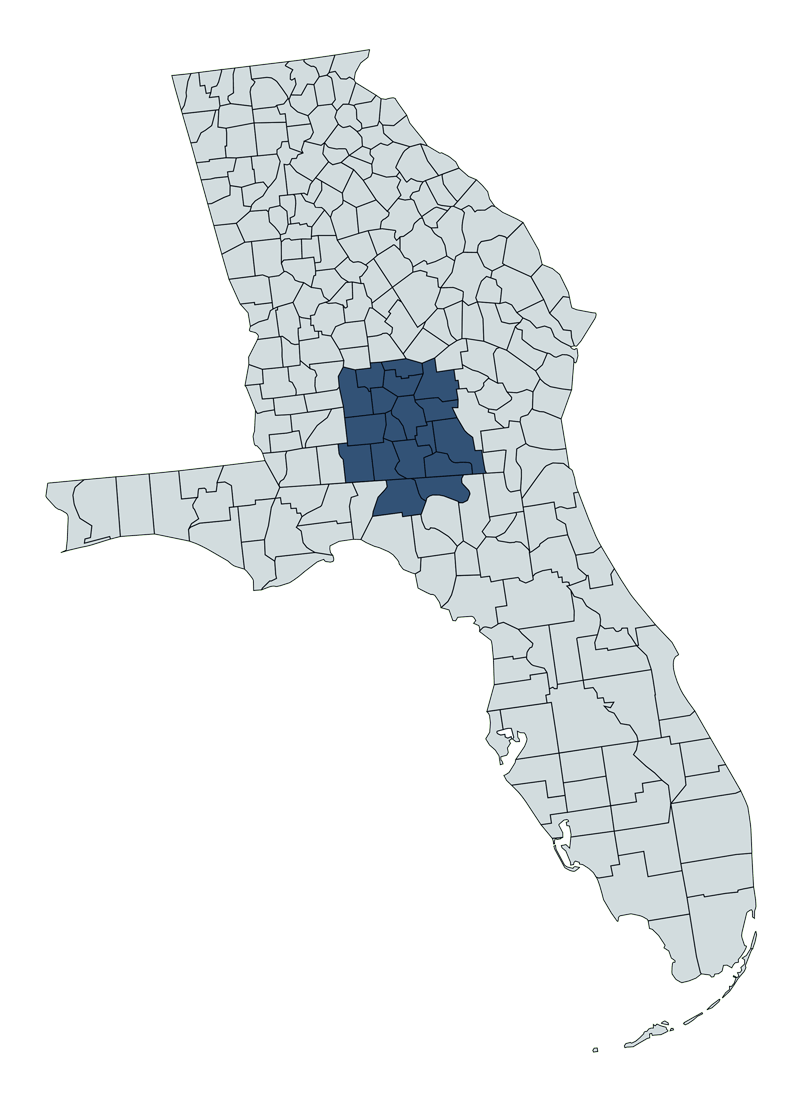
Have you turned on your heater for the first time this fall, only to notice a strange burning smell coming from the vents? If so, you are not alone. For homeowners in Adel, GA, October is often the time when the air starts to feel noticeably cooler, especially in the mornings and evenings. After months of relying on your air conditioner through Georgia’s hot, humid summer, your heating system may be getting its first real workout of the season.
A brief dusty smell when the heater first starts can sometimes be normal. However, a persistent burning odor, electrical smell, smoky scent, or unusual odor should not be ignored. Your heater is designed to operate safely, and a new or strong smell can be a warning that something needs attention.
So, why does a heater smell like it is burning? The answer depends on what the smell is like, how long it lasts, and whether you notice other symptoms from the system. Understanding the possible causes can help you determine when a little patience is appropriate and when it is time to schedule professional heating repair in Adel, GA.
Is a Burning Smell From Your Heater Always a Problem?
Not necessarily, but it is always worth paying attention to a new or unusual odor. When a heating system sits unused during the warmer months, dust can collect on internal components, heat exchangers, vents, and other surfaces. When the system starts again, that dust can heat up and create a temporary dusty or slightly burnt smell.
In many cases, this odor should fade fairly quickly as the dust burns off. If the smell disappears after the first few heating cycles and the system otherwise operates normally, there may not be a serious problem.
The important distinction is between a temporary dusty odor and a smell that is strong, persistent, smoky, electrical, or accompanied by other heating problems.
Why Does My Heater Smell Like Burning Dust?
Burning dust is one of the most common explanations for an odor when a heater is turned on after sitting unused. Dust naturally settles inside a home and can eventually make its way into areas of the heating system.
When the furnace or heat pump begins producing heat, accumulated dust can become warm enough to create an odor. This is especially common during the first few uses of the heating season.
When Is Burning Dust Normal?
A mild dusty smell that appears when the heater first starts and then quickly disappears is usually less concerning than an odor that continues every time the system runs.
You can keep an eye on the system while it operates. Make sure the smell is getting weaker rather than stronger, and pay attention to whether the heater is producing normal airflow and maintaining the temperature you set on the thermostat.
If the odor persists, becomes stronger, or is accompanied by smoke, unusual sounds, weak airflow, or repeated cycling, turn the system off and have it inspected.
Could a Dirty Air Filter Cause a Burning Smell?
Yes, a severely dirty air filter can contribute to heating problems and unusual odors. The filter is designed to catch airborne particles before they move through your HVAC system. As it becomes clogged, it can restrict airflow.
Restricted airflow makes the system work harder to move heated air through the home. Depending on the type of equipment and the severity of the restriction, components can become hotter than they should.
A dirty filter can also collect dust and other particles that may contribute to odors when the heater operates.
How Often Should You Check Your Filter?
There is no single replacement schedule that works for every household. Filter type, system design, pets, indoor air quality, household activity, and the manufacturer’s recommendations can all affect how often a filter should be replaced.
Check the filter regularly during heating and cooling seasons. If it looks visibly dirty or clogged, replace it according to the manufacturer’s instructions.
We recommend following the manufacturer’s maintenance instructions and note that filters may need to be changed every month or two during periods of use when specific instructions are not available.
Could an Electrical Problem Cause a Burning Smell?
An electrical burning smell is more concerning than a mild dusty odor. If you notice a smell similar to burning plastic, melting insulation, or overheated wiring, shut the heating system off and have it professionally inspected.
Electrical components inside an HVAC system can experience wear over time. Loose connections, damaged wiring, failing motors, or other electrical issues can create excessive heat.
You should not attempt to diagnose or repair electrical components yourself. Even if the heater continues operating, an electrical odor can indicate a problem that needs immediate attention.
What Other Signs Can Point to an Electrical Issue?
A burning electrical smell may occur alongside other warning signs, such as:
- Flickering lights when the heater starts
- A circuit breaker that repeatedly trips
- Unusual buzzing or humming
- A blower motor that struggles to start
- Smoke or visible scorching
- A heater that shuts down unexpectedly
- A burning plastic or wire-like odor
If you notice these symptoms, turn the system off rather than continuing to run it and arrange for professional heating repair.
What If My Gas Furnace Smells Like Something Is Burning?
Gas furnaces require additional caution because they use combustion to produce heat. A furnace that burns natural gas or another fuel must properly control and vent combustion gases.
A burning smell does not automatically mean there is a gas leak, but unusual odors from a fuel-burning heating system should not be dismissed.
The EPA explains that poorly maintained or improperly adjusted combustion equipment, including furnaces, can contribute to carbon monoxide problems, particularly when flues are blocked, disconnected, damaged, or leaking.
What About Carbon Monoxide?
Carbon monoxide, or CO, is especially dangerous because it cannot be seen, tasted, or smelled. That means the smell coming from your heater is not a reliable way to determine whether carbon monoxide is present.
If your carbon monoxide alarm sounds, leave the home and follow your local emergency guidance. Do not assume that the odor from your heater is the source or that the absence of an odor means everything is safe.
Every homeowner with fuel-burning appliances should have properly functioning carbon monoxide alarms. The EPA notes that the U.S. Consumer Product Safety Commission recommends CO alarms on each level of a home and outside sleeping areas.
Can a Cracked Heat Exchanger Cause Problems?
A damaged heat exchanger is another reason a furnace should be inspected by a qualified professional if you notice unusual operation or odors.
The heat exchanger separates combustion gases from the air that circulates through your home. If the component becomes cracked or damaged, the furnace may not operate as it should.
The EPA identifies cracked furnace heat exchangers, along with improperly installed or maintained chimneys and flues, as potential sources of combustion products indoors.
A homeowner cannot reliably determine the condition of a heat exchanger simply by looking at the outside of the furnace. Proper inspection requires knowledge of the equipment and its combustion and ventilation systems.
Could Something Be Blocking Your Heater?
Sometimes the source of a burning odor is not a failed heating component at all. Objects placed too close to a vent, furnace, or other heat-producing equipment can become overheated.
Before starting your heater for the season, look around accessible areas of the system and make sure nothing is blocking vents or positioned too close to heating equipment. Keep combustible materials away from the furnace and follow the manufacturer’s safety recommendations.
Also check your supply and return vents throughout the house. Furniture, rugs, boxes, and other household items can accidentally block airflow.
Why Does Proper Airflow Matter?
Your heating system needs adequate airflow to operate correctly. Blocked vents or restricted returns can make it harder for the system to distribute conditioned air throughout the home.
If certain rooms in your Adel home are consistently colder than others, the issue may involve airflow, ductwork, insulation, thermostat settings, or the heating equipment itself.
A professional HVAC technician can determine whether the problem is isolated to airflow or whether the heater needs repair.
What Does a Burning Plastic Smell Mean?
A burning plastic smell should never be treated as something to simply wait out.
This type of odor may indicate an overheating electrical component, damaged wiring insulation, a motor problem, or another issue inside the system. Because HVAC equipment contains electrical components that operate whenever the system runs, continued operation could potentially make the problem worse.
If the smell is strong or does not disappear quickly, turn the heater off and arrange for professional heating service.
It is much better to have a technician tell you that the system is operating safely than to keep running equipment that may have a developing electrical problem.
Why Does My Heater Smell Like Something Is Burning Every Time It Runs?
If the odor returns every time your heater turns on, it is less likely to be a simple case of dust burning off.
Repeated odors can point to an ongoing problem with the equipment, airflow, electrical components, ductwork, or combustion system. The longer the system operates with an unresolved issue, the more difficult it may become to determine exactly when the problem started.
A heating technician can inspect the system, identify the source of the odor, and determine whether repair, maintenance, cleaning, or another solution is appropriate.
What Should Homeowners Do When a Heater Smells Like Burning?
Your first step should be to identify whether the odor is mild and temporary or strong and persistent. You do not need to take apart your furnace to investigate.
Instead, focus on a few safe homeowner checks.
1. Turn Off the Heater if the Smell Is Strong
If you smell burning plastic, electrical components, smoke, or another strong odor, turn the system off.
Do not continue restarting it to see whether the smell goes away. Repeated operation could worsen an electrical or mechanical problem.
2. Check the Air Filter
If the filter is visibly dirty, replace it with the correct type and size according to the manufacturer’s recommendations.
A filter replacement will not fix every heating problem, but it is an important part of normal HVAC maintenance.
3. Check for Blocked Vents
Walk through the home and make sure supply registers and return vents are not blocked by furniture, rugs, boxes, or other objects.
Good airflow helps the system distribute heat throughout the home.
4. Pay Attention to Other Symptoms
Make note of anything else that seems unusual. For example, is the heater making a banging sound? Is it turning on and off repeatedly? Are some rooms staying cold? Is the airflow weak?
These details can help an HVAC professional narrow down the cause.
5. Schedule Heating Repair if the Odor Continues
If the smell persists or returns repeatedly, professional inspection is the safest next step. A technician can examine the system rather than relying on guesswork.
What Happens During Professional Heating Repair?
When you call an HVAC professional about a burning smell, the technician will typically begin by discussing what you have noticed.
The timing of the odor matters. A smell that appears only for a few minutes during the first heating cycle is different from an electrical odor that appears every time the blower starts.
The technician may inspect the air filter, blower assembly, electrical connections, heating components, ductwork, combustion system, venting, thermostat, and other equipment-specific components.
Why Does the Diagnosis Matter?
Fixing the smell without identifying its source can leave the underlying problem unresolved.
For example, replacing a filter may help if restricted airflow is contributing to the issue, but it will not correct a failing motor or damaged wiring. Likewise, cleaning dust from a component will not address a combustion or venting problem.
Professional heating repair focuses on finding the reason behind the symptom so the appropriate solution can be made.
How Can You Prevent Heater Odors in the Future?
Regular maintenance is one of the best ways to catch heating problems before they become major concerns.
For Adel homeowners, fall is a practical time to schedule this service. The heating system may have been sitting largely unused throughout the warmer months, and October is a good opportunity to make sure it is ready before colder weather becomes more consistent.
What Can You Do Between Professional Visits?
Homeowners can also take simple steps throughout the year:
- Replace or clean filters as recommended.
- Keep supply and return vents clear.
- Keep combustible items away from heating equipment.
- Pay attention to new noises or odors.
- Keep carbon monoxide alarms operational.
- Follow the manufacturer’s maintenance recommendations.
- Schedule professional heating maintenance before heavy seasonal use.
These steps do not replace professional service, but they can help you recognize problems earlier.
Why Should Adel Homeowners Take Heating Problems Seriously?
Adel’s climate means homeowners spend much of the year thinking about air conditioning rather than heating. After a long, hot Georgia summer, it can be easy to assume that a strange heater smell is simply dust burning off.
Sometimes it is. But the heating system still deserves attention when something seems different.
Fuel-burning heating equipment can produce combustion pollutants when it is not operating, maintained, or vented correctly. The EPA recommends annual inspection of central heating equipment and prompt repair of damaged components to reduce exposure to combustion products.
Your home should feel comfortable when the heater is running, not smoky, unusually hot, or filled with unexplained odors.
When Should You Call for Heating Repair?
If you are wondering whether a smell is serious enough to call an HVAC professional, consider the pattern.
A short-lived dusty smell during the first heating cycle may simply be the result of dust accumulated during the off-season. However, you should arrange for heating service if the smell is strong, persistent, recurring, electrical, smoky, or accompanied by other changes in system performance.
You should also seek professional attention if your heater is struggling to keep your home warm, cycling frequently, making unusual noises, or producing weak airflow.
When your heating system is giving you a warning, you do not have to figure out the problem on your own. Getting the system checked early can provide peace of mind and may prevent a small issue from becoming a larger repair.
For Heating Repair in Adel, GA, Contact Ray & Son Heating & Air Conditioning Today
When your heater starts producing a burning smell on a cool October morning, you want more than a quick guess about what might be wrong. You want to know whether your family can safely rely on the system when the next cold night arrives.
Ray & Son Heating & Air Conditioning is here to help homeowners in Adel, GA, when heating problems interrupt their comfort. Whether you are dealing with an unfamiliar odor, inconsistent heating, unusual system behavior, or a heater that simply is not working the way it should, professional troubleshooting can help identify what is really happening.
Before cooler weather hits full force, make sure your heating system is ready. If that burning smell keeps coming back, do not keep restarting the system and hoping it disappears. Let a professional take a closer look so you can get back to enjoying a comfortable home with confidence.