Have you ever walked into your bathroom in Valdosta and heard the toilet running when nobody has used it? Or maybe you have noticed water around the base, a weak flush, or a toilet that seems to clog more often than it should. During September, when Valdosta is still dealing with warm, humid weather and occasional rainfall, the last thing you want is a plumbing problem adding more stress to your day.
According to National Weather Service climate data, Valdosta’s normal September high temperature is around 90°F, with a normal low near 70°F. September can also bring meaningful rainfall to the area, making it a good time to pay attention to plumbing problems that may become more noticeable around the home.
A toilet problem may seem like a minor inconvenience at first, but some issues can waste water, damage flooring, or point to a larger plumbing concern. So, how do you know when a toilet problem is something you can handle yourself and when it is time to call a professional for toilet repair in Valdosta, GA?
Why Toilet Problems Should Not Be Ignored
A toilet is one of the most frequently used plumbing fixtures in your home, so even a small problem can become frustrating quickly. The good news is that many toilet issues are repairable when they are identified early.
The bigger concern is what can happen when a problem continues unnoticed. A toilet that runs periodically may waste water around the clock. A leak at the base can allow water to reach flooring or surrounding materials. A recurring clog may indicate that the problem is deeper than something sitting inside the bowl.
The U.S. Environmental Protection Agency’s WaterSense program reports that toilets account for nearly 30% of an average home’s indoor water use. The EPA also notes that household leaks can waste about 180 gallons of water per week, with toilets often being one of the sources.
That means a toilet that does not seem seriously broken can still deserve attention.
A Toilet That Keeps Running Needs Attention
Does your toilet sound like it is constantly refilling even though no one has flushed it? That is one of the clearest signs that something inside the tank is not working correctly.
A running toilet can be caused by several components, including:
- A worn or damaged flapper
- A fill valve that is not shutting off properly
- An improperly adjusted float
- A faulty flush valve
- A chain that is too loose or too tight
- A problem with the overflow tube
Sometimes the repair is relatively simple. For example, a worn flapper may no longer create a proper seal, allowing water to continuously move from the tank into the bowl.
The EPA specifically identifies worn toilet flappers as a common cause of toilet leaks. Its WaterSense guidance recommends checking toilets for silent leaks regularly.
If you have adjusted or replaced a basic component and the toilet continues running, however, it may be time to have a professional inspect the fixture.
How To Check for a Silent Toilet Leak
Not every toilet leak makes an obvious sound. In fact, one of the frustrating things about toilet leaks is that they can sometimes continue without being easy to notice.
Fortunately, there is a simple test you can perform.
Place a few drops of food coloring into the toilet tank. Do not flush the toilet, and wait about 10 minutes. If colored water appears in the bowl, water is leaking from the tank into the bowl.
The EPA recommends this type of dye test as a simple way for homeowners to identify toilet leaks.
If the test confirms a leak, you can determine whether replacing a worn flapper solves the problem. If the toilet continues leaking after a basic repair, a professional can inspect the internal components and determine what needs to be corrected.
When a Toilet Is Constantly Clogging
A toilet that occasionally clogs after too much paper is one thing. A toilet that repeatedly clogs even when it is being used normally is another.
Frequent clogs can have several possible causes. There may be an obstruction inside the toilet, a problem with the toilet’s trapway, or a larger blockage farther down the drain line.
If you repeatedly reach for the plunger, it is worth asking why the problem keeps happening rather than simply treating each clog as an isolated event.
Watch for patterns such as:
- The toilet clogs every few days or weeks
- Multiple bathroom fixtures drain slowly
- Water rises unusually high when you flush
- The toilet makes bubbling or gurgling sounds
- Water backs up into another fixture
- The toilet does not flush waste away effectively
These symptoms can indicate that the problem extends beyond the toilet itself.
A professional plumber can inspect the fixture and surrounding plumbing to determine whether the toilet, drain line, or another component is responsible.
When Plunging Does Not Solve the Problem
A plunger is a useful tool for many homeowners. If a toilet becomes clogged because of a straightforward obstruction, proper plunging may restore normal drainage.
But what happens when plunging does not work?
If the toilet remains blocked after several careful attempts, avoid repeatedly forcing water into the bowl. Continued flushing can cause an overflow and create an even bigger cleanup problem.
Professional toilet repair may be appropriate when the blockage does not respond to normal methods, especially if you are not sure what caused it.
A plumber has access to tools and diagnostic methods that can help identify where an obstruction is located and whether the issue is limited to the toilet or involves the home’s drain system.
Water Around the Base of the Toilet Is a Warning Sign
Have you noticed a puddle forming around the bottom of your toilet? Do not automatically assume someone simply spilled water.
Water around the base can come from several sources, including condensation, a supply connection, or a seal between the toilet and the drain connection. Determining where the water originates is important because the right repair depends on the source.
If the toilet is leaking at its base, avoid putting off the problem simply because the leak appears small. Repeated moisture can affect flooring and surrounding materials.
This is especially important if the toilet is installed on flooring that can absorb water. What begins as a small leak can become a much larger home maintenance concern if it continues.
A professional can inspect the toilet, connections, and surrounding area to determine where the water is coming from and what repair is needed.
A Toilet That Wobbles Should Be Checked
Does your toilet move when you sit down or stand up?
A toilet should feel stable. If it rocks from side to side, something may need attention.
A loose toilet can result from loose mounting hardware, an uneven installation surface, or an issue with the connection beneath the fixture. Continuing to use a toilet that moves can place stress on its connections and potentially contribute to leaks.
Avoid simply tightening hardware as much as possible. Over-tightening can damage the toilet.
Instead, if the toilet continues to rock after a basic adjustment, having a professional evaluate it can help prevent a small problem from becoming a leak or more involved repair.
When the Toilet Flushes Poorly
A toilet does not necessarily need to be completely clogged to have a flushing problem.
Maybe the water swirls around the bowl but does not clear it properly. Perhaps the toilet needs two flushes to do what one flush used to accomplish. Or maybe the water level rises before slowly draining.
Poor flushing can be related to issues inside the tank, blocked openings in the bowl, a partial obstruction, or a problem farther down the drain.
If the toilet has gradually become less effective, do not assume that is simply normal wear. A professional inspection can help determine whether the fixture needs a repair, cleaning, adjustment, or replacement.
When You Hear Gurgling or Bubbling
A bubbling or gurgling toilet can be unsettling, especially when it happens while another fixture is running.
Sometimes unusual sounds are caused by air moving through the plumbing system. However, recurring gurgling can also point toward a drainage or venting problem.
Pay particular attention if the sound occurs along with:
- Slow drains
- Water backing up
- Repeated toilet clogs
- Changes in water levels
- Unusual odors
- Problems with several plumbing fixtures
When several symptoms appear together, the toilet may not be the real source of the problem.
Rather than continuing to plunge or flush the toilet, consider having the plumbing system professionally evaluated.
When You Notice an Unpleasant Sewer-Like Odor
Your bathroom should not consistently smell like sewage.
An unpleasant odor around a toilet may have a simple explanation, but it can also be associated with a problem involving the toilet seal, drain connection, or plumbing system.
If cleaning the bathroom does not eliminate the smell and the odor continues to return, it is worth having the toilet inspected.
This is particularly important when the odor appears alongside water around the base, a loose toilet, or recurring drainage problems.
The goal is not simply to make the bathroom smell better. It is to identify and correct the plumbing issue responsible for the odor.
What You Should Do Before a Plumber Arrives
If your toilet is leaking or overflowing, taking a few basic steps can help limit the problem while you arrange professional service.
First, know where the toilet’s shutoff valve is located. It is usually positioned near the bottom of the toilet where the water supply line connects to the fixture. If the toilet is overflowing, turning off the water supply can help prevent additional water from entering the bowl.
You should also avoid repeated flushing if the toilet is not draining properly.
If there is water on the floor, clean up standing water and keep the area as dry as possible while you determine the source. If water has reached flooring, walls, or other materials, monitor the area for signs of continued moisture.
Most importantly, do not feel pressured to take apart the toilet if you are unsure what you are doing. A professional can identify the problem without turning a small repair into a larger DIY project.
Can a Toilet Leak Really Waste That Much Water?
It is easy to overlook a running toilet because the amount of water moving through the fixture may not seem significant. Over time, however, the wasted water can add up.
The EPA’s WaterSense program provides examples showing that a small leaking toilet can waste about 860 gallons of water per month. A medium leak can waste about 8,600 gallons per month, while a large leak can waste thousands of gallons in a single day. EPA Water Leak Information and Potential Water Losses
Not every toilet leak will fall into those categories, of course. The point is that a leak should not be dismissed simply because it appears minor.
Repairing a toilet promptly can help protect your home, reduce unnecessary water waste, and restore confidence that the fixture is operating the way it should.
When Toilet Repair Makes More Sense Than Replacement
Not every malfunctioning toilet needs to be replaced.
If the toilet itself is in good condition, repairing an internal component may be enough to restore reliable performance. On the other hand, replacement may make more sense when the fixture is damaged, repeatedly malfunctioning, difficult to repair, or no longer meeting your household’s needs.
Water efficiency can also be a consideration when an older toilet is nearing the end of its useful life.
According to the EPA, WaterSense-labeled toilets use 1.28 gallons per flush or less while meeting performance requirements.
A professional can help you look at the condition of the existing toilet and determine whether repairing it or replacing it is the more practical long-term solution.
Why Professional Toilet Repair Can Save You Trouble
A toilet may look like a simple fixture, but it connects to your home’s water supply and drainage system. When something goes wrong, identifying the actual cause matters.
Professional plumbing service can help you avoid replacing the wrong component, repeatedly treating the same symptom, or accidentally causing additional damage.
Ray & Son Heating & Air Conditioning provides residential plumbing services throughout Valdosta and the surrounding areas, including repairs involving running toilets and other common plumbing concerns. The company states that its plumbing team has extensive experience diagnosing residential plumbing problems and provides inspections and solutions based on the specific issue.
That type of approach is especially helpful when the cause of a toilet problem is not immediately obvious.
What To Expect During a Professional Toilet Repair
Wondering what happens when you call a plumber for a toilet problem?
The first step is generally an inspection. The technician will look at the symptoms you have noticed and examine the toilet and its connections to determine where the problem originates.
Depending on the situation, the inspection may involve checking the tank components, flush mechanism, water supply connection, toilet base, drainage, and surrounding plumbing.
Once the problem is identified, the technician can explain what is happening and discuss the appropriate repair or replacement options.
A good service experience should leave you understanding what went wrong and what needs to happen next. You should not have to be a plumbing expert to make an informed decision about your home.
A September Plumbing Check Can Help You Get Ahead of Problems
September is a natural time to look around your Valdosta home for small maintenance concerns before the seasons change.
The weather may still feel like summer, but outdoor temperatures will eventually begin to moderate. While you are checking your HVAC system, looking around your home, or preparing for the months ahead, take a few minutes to pay attention to your plumbing fixtures too.
Listen for a toilet that runs after flushing. Check for moisture around the base. Pay attention to recurring clogs. Notice whether the toilet flushes differently than it did a few months ago.
These observations can help you identify a problem before it becomes more disruptive.
And because toilet leaks are often silent, a quick dye test can be a worthwhile addition to your home maintenance routine. The EPA recommends checking for silent toilet leaks at least once a year.
Know When It Is Time To Stop Troubleshooting
There is nothing wrong with trying a simple fix when you are comfortable doing so. Replacing an accessible flapper or using a plunger for a straightforward clog may be reasonable for a homeowner.
The key is knowing when the problem is beyond a simple adjustment.
If the toilet keeps running after you make a repair, continues clogging, leaks around the base, rocks when used, produces unusual odors, or shows signs of a larger drainage issue, professional help can provide a clearer path forward.
You should also call a professional if you are unsure where the water is coming from or if attempting a repair could cause more damage.
Sometimes the smartest plumbing decision is knowing when to put the wrench down.
For Toilet Repair in Valdosta, GA, Contact Ray & Son Heating & Air Conditioning Today
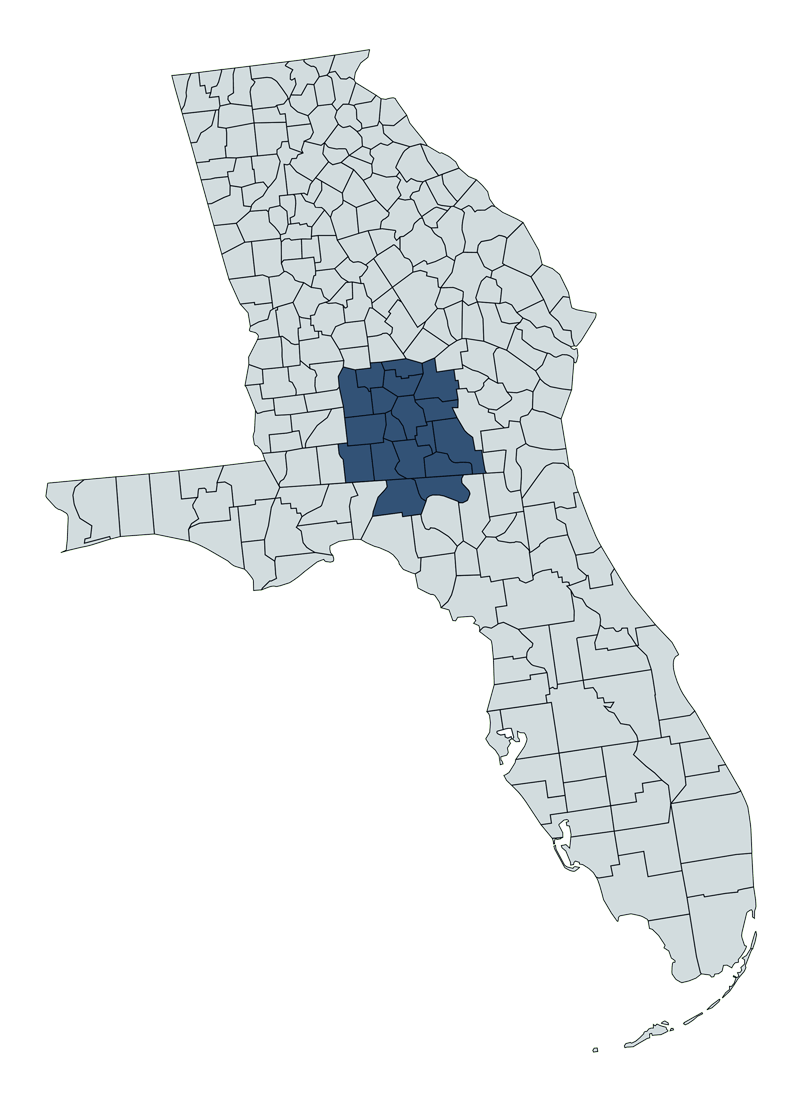
When your toilet will not stop running, the bowl keeps backing up, or you discover water around the base, you should not have to wonder whether the problem will eventually become something bigger. Ray & Son Heating & Air Conditioning has served Valdosta and surrounding communities for decades, with residential plumbing services designed to address everyday plumbing problems with experience and care. The company is family-owned and has been serving the area since 1965, with licensed plumbing professionals prepared to diagnose and repair a wide range of plumbing concerns.
Maybe you have been listening to that running toilet for days and keep telling yourself you will deal with it later. Maybe your toilet has started clogging repeatedly, or you have noticed a small puddle around the base that was not there before. Those are the moments when getting professional help can bring more than a repair. It can bring peace of mind that the problem has been properly identified.
When you need toilet repair in Valdosta, GA, Ray & Son Heating & Air Conditioning can help you understand what is happening, determine the appropriate solution, and get your bathroom plumbing back to dependable operation. Instead of waiting for a small plumbing concern to become a larger disruption, reach out when you first notice something is not right. Your home deserves plumbing that works reliably every time you flush.