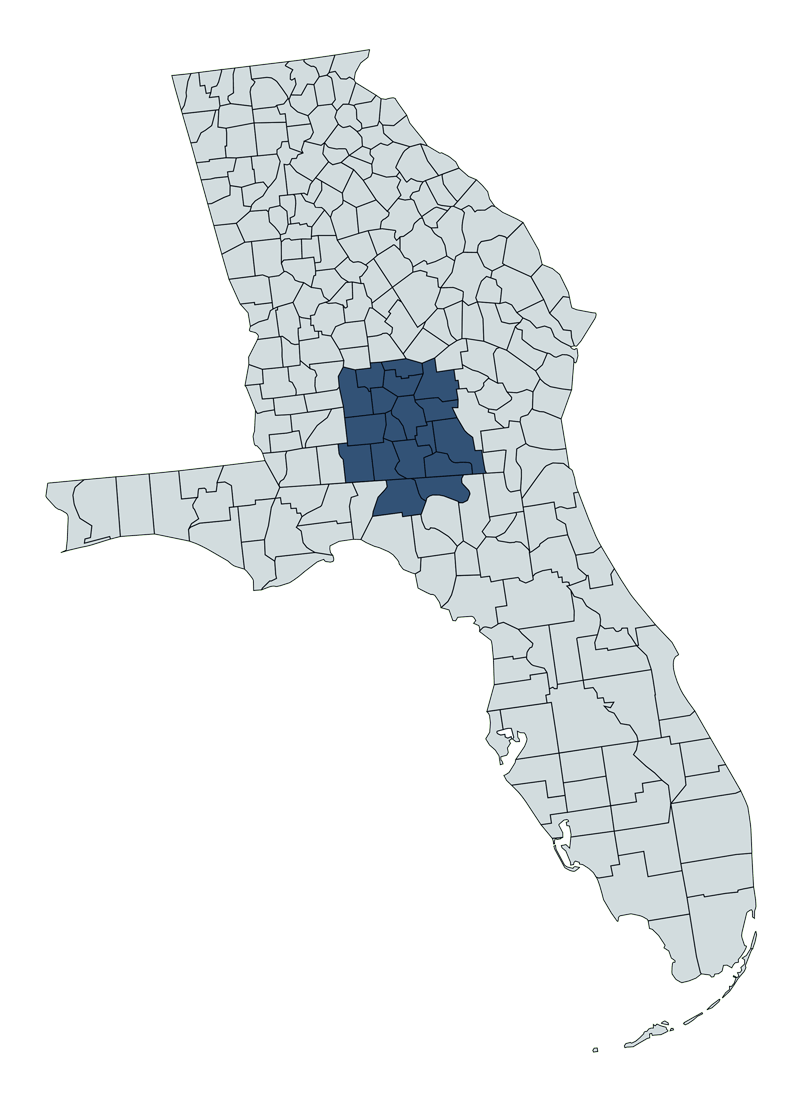
Living in Tifton, GA, means enjoying warm weather, lush landscapes, and a close-knit community. However, our region is also known for sudden storms that can bring heavy rainfall, strong winds, and even localized flooding. While many homeowners focus on securing their homes or preparing emergency kits, one often overlooked aspect of storm preparation is plumbing. Properly preparing your pipes for storm season can prevent significant damage, maintain water flow, and save you from unexpected emergencies. In this guide, we’ll walk you through practical, effective ways to prepare your pipes so your home is ready for whatever weather comes your way.
Understanding the Risks to Pipes During Storm Season
Storms in Tifton, GA, can create several hazards for home plumbing. Heavy rain and flooding can put pressure on outdoor water lines, while high winds and debris may damage exposed plumbing. Additionally, sudden drops in temperature during storms, although less frequent in Georgia, can still cause certain pipes to crack or leak.
According to the Insurance Information Institute, water damage from plumbing failures is one of the leading causes of homeowner insurance claims in the United States. Even minor leaks can escalate into serious problems if left unaddressed. Storms can increase these risks by overwhelming drainage systems, causing sewer backups, or creating conditions that make leaks more likely. Understanding these risks is the first step in protecting your home’s plumbing system.
Inspecting Your Plumbing Before Storms
Check for Visible Signs of Damage
A proactive inspection can identify vulnerabilities before a storm hits. Start by examining your pipes for visible signs of wear and tear. Look for:
-
Cracks or corrosion on metal pipes
-
Leaks or water stains on walls and ceilings
-
Loose fittings or joints
-
Exposed pipes in uninsulated areas
Even small issues can become major problems during heavy rainfall. Catching these early allows you to take corrective action before storm season arrives.
Inspect Outdoor Plumbing
Outdoor plumbing, including garden hoses, irrigation systems, and outdoor faucets, is particularly susceptible to storm damage. Make sure that:
-
Outdoor faucets are properly sealed and shut off if not in use
-
Irrigation systems are cleared of debris and functioning correctly
-
Any exposed pipes are secured and, if possible, insulated
Proper outdoor maintenance reduces the risk of burst pipes and flooding caused by excess water pressure during storms.
Securing Pipes Against Flooding
Flooding is a common concern during heavy storms in Tifton, GA. To protect your pipes, consider these strategies:
Elevate Vulnerable Plumbing
If your home has plumbing that runs close to the ground or in basements prone to flooding, elevating pipes can prevent water damage. For example, installing raised platforms for sump pumps or relocating low-lying water lines above expected flood levels can make a significant difference.
Install Backflow Preventers
Backflow preventers are devices that stop contaminated water from flowing back into your home’s clean water supply during heavy rain or flooding. They are particularly important for homes in flood-prone areas or those with sewer lines that may be overwhelmed during storms. According to the Environmental Protection Agency, backflow prevention devices are highly effective in reducing contamination risks during severe weather events.
Clear Gutters and Drains
Proper drainage around your home can prevent water from accumulating near pipes. Ensure gutters, downspouts, and storm drains are free of debris so rainwater flows away from your foundation. Standing water can increase pressure on underground pipes and lead to leaks or bursts.
Insulating Pipes to Prevent Damage
While Tifton doesn’t often experience extreme cold, winter storms or unexpected cold snaps can still pose risks. Insulating pipes is a simple but effective step to protect them from freezing or cracking.
-
Use foam pipe insulation: Cover exposed pipes in attics, crawl spaces, and garages with foam sleeves or tape insulation.
-
Seal gaps and openings: Prevent cold air from reaching pipes by sealing holes or cracks in walls and foundations.
-
Maintain consistent indoor temperatures: Keeping your home warm, even when unoccupied, reduces the risk of pipes freezing during sudden temperature drops.
According to the Department of Energy, insulating pipes can reduce the chance of freezing and improve energy efficiency, making it a smart step for both storm preparedness and long-term maintenance.
Preparing Plumbing Systems for High Water Pressure
Heavy storms often result in sudden increases in water pressure. If your plumbing system is not equipped to handle these fluctuations, pipes may leak or joints may fail. Consider the following precautions:
-
Install pressure-reducing valves: These valves regulate water pressure entering your home, protecting pipes from sudden surges.
-
Check existing valves: Ensure that all shut-off valves are working properly so water flow can be quickly stopped in case of a burst pipe.
-
Inspect hoses and fittings: Replace any worn or cracked hoses that may not withstand increased pressure during heavy rain or flooding.
Maintaining control over water pressure in your home can prevent costly plumbing failures during storms.
Maintaining Your Water Heater and Appliances
Storms can affect more than just your pipes—they can impact your water heater and connected appliances. Consider:
-
Checking your water heater: Ensure there are no leaks, corrosion, or worn-out components that could fail under pressure.
-
Securing appliances: Washing machines, dishwashers, and other appliances with water lines should be inspected for leaks and properly connected.
-
Shutting off appliances during storms: If severe weather is expected, turning off appliances that rely on water lines can prevent flooding in case of a pipe rupture.
Routine maintenance of these systems reduces the risk of water damage during storms and ensures consistent water service afterward.
Emergency Planning for Plumbing Issues
Even with proper preparation, storms can create unexpected plumbing emergencies. Being ready can reduce damage and stress.
-
Know the location of shut-off valves: Being able to quickly turn off the main water supply is crucial in preventing extensive water damage.
-
Keep emergency tools and materials on hand: Plumber’s tape, pipe clamps, and a wrench can help you manage minor leaks until a professional arrives.
-
Have a professional on standby: Having a trusted plumbing company ready to respond to emergencies ensures that problems are addressed promptly and effectively.
According to the American Red Cross, prompt action during water-related emergencies significantly reduces damage and improves recovery outcomes.
Regular Professional Plumbing Inspections
One of the most effective ways to prepare pipes for storm season is by scheduling regular inspections with a professional plumbing service. Licensed plumbers can:
-
Identify hidden vulnerabilities that homeowners may miss
-
Test pressure levels and evaluate pipe integrity
-
Recommend upgrades or repairs to enhance storm resilience
Professional inspections provide peace of mind and ensure that your plumbing system can withstand the challenges of storm season.
Education on Long-Term Pipe Maintenance
Preparing your home for storms isn’t just a seasonal task—it’s part of maintaining a healthy plumbing system year-round. Homeowners should:
-
Monitor for leaks, corrosion, or unusual noises in pipes
-
Keep records of past maintenance and inspections
-
Replace outdated or damaged pipes proactively
Long-term maintenance reduces the likelihood of storm-related failures and helps maintain consistent water quality and flow.
Environmental Considerations
Storm preparation also has an environmental impact. Properly maintained pipes reduce the risk of contamination from floodwaters, protecting local waterways and your home’s water supply. According to the Environmental Protection Agency, managing stormwater and maintaining plumbing systems are key factors in preventing waterborne contamination during severe weather events.
For Plumbing Services in Tifton, GA, Contact Ray & Son Heating & Air Conditioning Today
Storms can pose significant risks to your home’s plumbing, but with proper preparation, you can protect your pipes, prevent water damage, and maintain peace of mind. From inspections and insulation to flood prevention and emergency planning, the steps outlined above provide a comprehensive approach to storm readiness.
For homeowners in Tifton, GA, professional support is invaluable. The experts at Ray & Son Heating & Air Conditioning have the knowledge, experience, and tools to ensure your plumbing system is storm-ready. Don’t wait until the next storm hits—contact Ray & Son Heating & Air Conditioning today to schedule a plumbing inspection or maintenance service and keep your home safe, secure, and resilient.