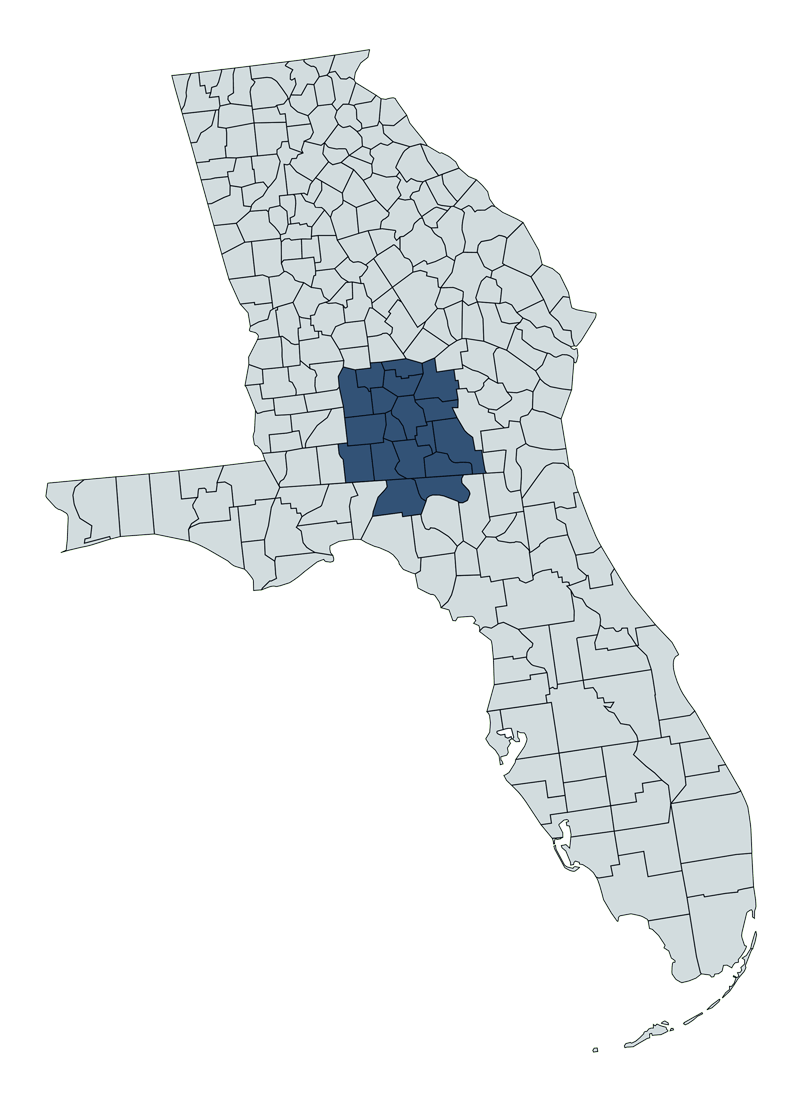
Thomasville, Georgia, is known for its charming Southern charm and warm climate that encourages both outdoor living and cozy indoor comfort. While the summer months bring plenty of sunshine and higher temperatures, one household essential that often gets overlooked during this season is the water heater. Many homeowners might not realize that their water heater, an everyday appliance, plays a critical role in home safety and comfort year-round—not just in cold months.
Water heaters provide the hot water necessary for showers, cleaning, cooking, and more. But beyond convenience, these appliances require proper maintenance and safety awareness to prevent costly damage, injuries, or even hazardous situations. Whether you have a traditional tank water heater or a modern tankless system, understanding water heater safety can protect your family and your home.
In this blog, we’ll cover everything Thomasville homeowners need to know about water heater safety. We’ll explore how water heaters work, common safety concerns, maintenance tips, signs of trouble, and when to call a professional. By the end, you’ll have the knowledge to keep your water heater running safely and efficiently through any season.
How Water Heaters Work: A Quick Overview
Before diving into safety tips, it’s helpful to understand the basics of how your water heater operates.
Types of Water Heaters in Thomasville Homes:
-
Tank Water Heaters: The most common type, these units store a set amount of hot water in a tank (usually 30 to 80 gallons). When you turn on the tap, hot water flows out of the tank while cold water refills it for heating.
-
Tankless Water Heaters: These units heat water on demand without storing it. When you turn on the hot water tap, cold water flows through a heat exchanger and is warmed instantly. They tend to be more energy-efficient but have a higher upfront cost.
-
Heat Pump Water Heaters and Solar Water Heaters: Less common but growing in popularity, these options use alternative energy sources to heat water more efficiently.
Regardless of type, the key safety components include temperature controls, pressure relief valves, and proper ventilation.
Why Water Heater Safety is Important in Thomasville
Water heaters may seem low-risk, but when neglected or improperly maintained, they can pose serious hazards. Here’s why safety matters:
-
Risk of Explosion or Fire: According to the U.S. Consumer Product Safety Commission, faulty water heaters can cause fires or explosions, particularly if the temperature-pressure relief valve malfunctions or the thermostat is set too high.
-
Scalding Dangers: The average water heater is often set to around 140°F, which can cause third-degree burns within seconds. The American Burn Association estimates that about 6,000 people visit emergency rooms annually due to scald injuries from hot water.
-
Carbon Monoxide Poisoning: Gas water heaters require proper ventilation. If the ventilation system is blocked or faulty, deadly carbon monoxide (CO) gas can accumulate inside the home.
-
Water Damage and Mold: Leaks from a failing tank or loose connections can cause water damage, leading to costly repairs and potential mold growth.
In Thomasville’s humid climate, the risk of mold growth is especially high if leaks go unnoticed. Therefore, water heater safety isn’t just about preventing accidents—it’s also about protecting your home’s structure and indoor air quality.
Common Water Heater Safety Concerns and How to Address Them
1. Temperature Settings — Avoid Scalding
-
Ideal Setting: Experts recommend setting your water heater thermostat to 120°F. This temperature is hot enough for household use but reduces the risk of burns and lowers energy use.
-
Tip: If you have children or elderly family members, consider even lower settings or installing anti-scald devices on faucets and showerheads.
2. Pressure Relief Valve Functionality
-
What It Does: This valve prevents excessive pressure buildup inside the tank by releasing water when necessary.
-
Why It’s Critical: A malfunctioning valve can lead to tank rupture or explosion.
-
Maintenance: Test the valve annually by lifting the lever and letting it snap back. You should hear water release. If not, call a professional immediately.
3. Regular Inspections for Leaks and Corrosion
-
Leaks around the tank or piping often indicate rust or failing components.
-
Inspect your water heater area monthly for moisture, rust spots, or puddles.
-
Early detection can prevent water damage and expensive repairs.
4. Proper Ventilation for Gas Water Heaters
-
Gas water heaters need clear, unobstructed vents to safely exhaust combustion gases.
-
Blocked or damaged vents can cause CO buildup, a colorless, odorless gas that’s fatal in high concentrations.
-
Consider installing a carbon monoxide detector near your water heater and throughout your home.
5. Electrical Safety for Electric Water Heaters
-
Ensure the water heater is properly grounded and that all electrical connections are intact.
-
If you notice sparks, tripped breakers, or unusual noises, shut off power and call a technician.
Water Heater Maintenance Tips to Keep Your Home Safe
Regular maintenance is the best defense against water heater hazards. Here are some practical tips to keep your unit running smoothly:
Flush the Tank Annually
Sediment buildup inside the tank reduces efficiency and can cause overheating or tank failure. Flushing the tank once a year removes sediment and prolongs the life of your water heater.
How to flush:
-
Turn off power or gas to the heater.
-
Attach a hose to the drain valve and drain water until clear.
-
Close the valve and refill the tank before restarting the unit.
If you’re uncomfortable performing this yourself, a professional plumber can do it safely and efficiently.
Inspect the Anode Rod Every 2-3 Years
The anode rod attracts corrosive elements inside the tank, preventing rust damage. When the rod deteriorates, the tank can corrode.
Replacing the anode rod every few years can extend your tank’s lifespan by 3 to 5 years on average.
Check for Strange Noises
Popping or rumbling sounds often indicate sediment buildup. Addressing this early can prevent tank damage.
Keep the Area Around the Water Heater Clear
Ensure the space around your water heater is free of flammable materials, debris, or clutter. This reduces fire risks and allows for proper airflow.
Signs Your Water Heater Needs Professional Attention
Knowing when to call a pro can save you from costly damage and safety hazards. Look out for these warning signs:
-
Water Leaks: Any leak around the tank or plumbing connections requires immediate inspection.
-
Rusty Water: Discolored water indicates corrosion inside the tank or pipes.
-
Inconsistent Water Temperature: Fluctuations or lukewarm water may suggest thermostat or heating element problems.
-
Strange Smells or Sounds: Rotten egg odors indicate possible gas leaks or bacterial growth. Unusual noises can signal sediment buildup or failing components.
-
Age of the Water Heater: Most water heaters last 8 to 12 years. If yours is older, consider replacement for safety and efficiency.
Why Summer Is a Great Time for Water Heater Safety Checks in Thomasville
Many homeowners associate water heater maintenance with fall or winter, but summer is actually an ideal time for several reasons:
-
Lower Hot Water Demand: You can turn off or service your water heater without major inconvenience since demand is usually lower.
-
Prepares You for Winter: Regular summer maintenance helps avoid emergencies during colder months when hot water is critical.
-
Avoid Peak Season Delays: Scheduling service in summer can ensure faster appointments and better availability for repairs or replacements.
Energy Efficiency and Safety Go Hand in Hand
An efficient water heater is also a safer one. According to the U.S. Department of Energy, water heating accounts for about 18% of a household’s energy use. Proper maintenance and optimal temperature settings can reduce energy bills while minimizing risks.
Consider upgrading to newer energy-efficient models with built-in safety features if your unit is outdated. Tankless water heaters, for instance, eliminate risks associated with stored hot water and typically last longer.
The Role of Professional Plumbing Services in Water Heater Safety
While some routine tasks can be done by homeowners, many safety checks and repairs require trained professionals. Licensed plumbers have the expertise to:
-
Diagnose hidden issues that may go unnoticed
-
Properly inspect and replace safety valves, thermostats, and anode rods
-
Safely handle gas connections and electrical components
-
Provide expert advice on efficient upgrades or replacements
Attempting complex repairs yourself can increase risk or void manufacturer warranties. Partnering with trusted experts like Ray & Son Heating & Air Conditioning ensures your water heater is safe, reliable, and efficient.
For Water Heater Services in Thomasville, GA, Contact Ray & Son Heating & Air Conditioning Today
Keeping your water heater safe and efficient is essential for your family’s comfort and security in Thomasville. Whether you need routine maintenance, safety inspections, repairs, or a new water heater installation, Ray & Son Heating & Air Conditioning is here to help.
Our skilled technicians bring years of experience and a commitment to quality service. We understand the unique needs of Thomasville homeowners and offer personalized solutions designed for safety, performance, and energy savings.
Don’t wait for a small issue to turn into a major problem. Contact Ray & Son Heating & Air Conditioning today to schedule your water heater safety inspection or service. Protect your home, enjoy peace of mind, and keep your hot water flowing safely all year long.