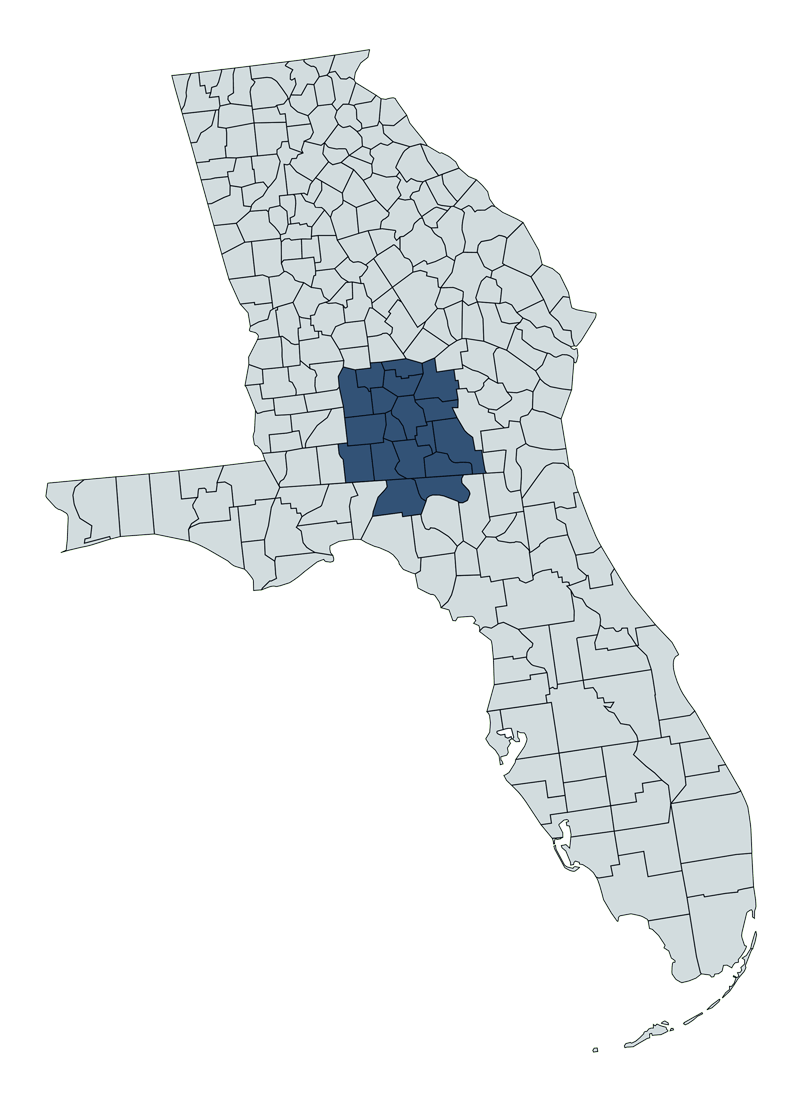
Water is one of the most essential resources we rely on every day, yet many homeowners don’t fully realize how much water they use — especially during the hotter months. Living in Valdosta, GA, where the climate tends to be warm and humid for much of the year, means your water usage can spike during summer. From watering your lawn to keeping your family hydrated and cool, water consumption increases naturally. But without smart water habits, your monthly water bill can grow significantly.
Understanding how to conserve water not only helps protect this valuable resource but also saves you money. This blog will walk you through practical, easy-to-implement tips specifically designed for Valdosta homeowners to reduce water waste and lower water bills during the warmer months. Plus, we’ll explain why regular plumbing maintenance is a critical part of water conservation—and how professional services from Ray & Son Heating & Air Conditioning can support your efforts.
Understanding Water Use in Hot Climates Like Valdosta, GA
Before diving into specific tips, it helps to know why water usage tends to rise during hot weather. Valdosta’s climate features hot summers with average highs often exceeding 90°F. This leads to:
-
Increased outdoor water use: Lawns, gardens, and landscaping require more frequent watering.
-
Higher indoor water demand: Showers, cooling systems, and hydration needs increase.
-
Potential leaks from heat expansion: Pipes and fixtures may expand or degrade, causing leaks.
According to the U.S. Environmental Protection Agency (EPA), outdoor water use accounts for nearly 30% of total residential water consumption — and in some hot climates, it can be as high as 50%. This highlights how critical it is to focus on outdoor water efficiency during summer.
Why Water Conservation Matters in Valdosta
Water conservation isn’t just about reducing your bill; it also contributes to environmental sustainability and community resilience.
-
Protects local water supplies: Valdosta sources water from local reservoirs and groundwater. Overusing water strains these resources, especially during droughts.
-
Reduces energy consumption: Treating and pumping water requires significant energy. Saving water indirectly reduces your carbon footprint.
-
Prevents plumbing damage: Efficient water use lessens the stress on your plumbing system, reducing wear and leaks.
-
Saves you money: The obvious benefit—lower water bills free up funds for other household needs.
By adopting water-saving practices, you contribute to preserving Valdosta’s natural environment while also managing your household expenses effectively.
Practical Tips for Conserving Water During Hot Months
1. Optimize Outdoor Watering Practices
Watering your lawn and garden is a major source of summer water consumption, but it doesn’t have to be wasteful.
-
Water early or late: Water your plants during the early morning or late evening hours when temperatures are cooler to minimize evaporation.
-
Use drip irrigation or soaker hoses: These systems deliver water directly to the roots where it’s needed most, improving efficiency by up to 50% compared to traditional sprinklers.
-
Avoid watering on windy days: Wind can cause water to drift away from plants, wasting it.
-
Adjust sprinkler heads: Ensure sprinklers don’t water sidewalks, driveways, or streets.
-
Consider drought-resistant plants: Native and drought-tolerant plants require less water, making them ideal for Valdosta’s climate.
-
Limit lawn size: Consider replacing some turf with mulch or ground covers that require less water.
According to the Georgia Environmental Protection Division, outdoor water use can be cut by as much as 30% with proper watering techniques.
2. Upgrade to Water-Efficient Fixtures
Inside your home, older fixtures can be surprisingly wasteful.
-
Install low-flow showerheads and faucets: Modern low-flow models reduce water flow without sacrificing pressure, saving up to 2.5 gallons per minute.
-
Use high-efficiency toilets: Older toilets may use 3.5 to 7 gallons per flush, whereas new EPA WaterSense models use less than 1.28 gallons.
-
Fix leaks promptly: A dripping faucet can waste more than 3,000 gallons of water per year.
-
Consider water-efficient appliances: Dishwashers and washing machines with high efficiency ratings use less water and energy.
The EPA estimates that households can save 13,000 gallons of water annually by fixing leaks and upgrading to water-efficient fixtures.
3. Be Smart with Indoor Water Use
Small changes in your daily routine can add up quickly.
-
Take shorter showers: Reducing shower time by just a couple of minutes can save gallons of water.
-
Turn off the tap when brushing teeth or washing dishes: Running water unnecessarily wastes several gallons per minute.
-
Only run full loads in dishwashers and washing machines: This maximizes water efficiency per cycle.
-
Reuse water when possible: For example, use leftover cooking water to water plants once cooled.
-
Consider cold water laundry: Washing clothes in cold water saves energy and conserves hot water.
The average American uses about 80-100 gallons of water daily indoors. Being mindful of use can significantly reduce your footprint.
4. Regular Plumbing Maintenance to Prevent Water Waste
One often overlooked area in water conservation is your plumbing system itself.
-
Schedule annual inspections: Professional plumbers can detect hidden leaks and plumbing issues before they escalate.
-
Check and replace worn washers and seals: These small parts are often the source of leaks.
-
Inspect irrigation systems: Broken sprinkler heads or leaks in irrigation lines can waste thousands of gallons.
-
Maintain water heaters: Leaks or inefficiencies in water heaters can increase water and energy waste.
-
Flush water softeners regularly: Proper maintenance ensures they operate efficiently without excess water use.
A small leak, such as a 1/8 inch crack in a pipe, can waste up to 250 gallons per day, according to the American Water Works Association.
5. Collect and Use Rainwater When Possible
Harnessing natural rainfall can reduce your dependence on municipal water for outdoor needs.
-
Install rain barrels: These collect rainwater from gutters that can be used for watering plants.
-
Set up rain gardens: Designed to absorb runoff, rain gardens can also serve as a natural water source for your landscaping.
-
Use rainwater for car washing and cleaning: This reduces potable water use.
Valdosta’s average annual rainfall is around 50 inches, making rainwater harvesting a viable option for many homeowners.
6. Educate Your Household on Water Conservation
Water-saving efforts are most successful when everyone in the household is involved.
-
Discuss water-saving goals: Make water conservation a family priority.
-
Encourage mindful habits: Remind family members to turn off taps and reduce water use.
-
Involve children in outdoor watering: Teaching kids about drought-tolerant plants and efficient watering builds lifelong habits.
-
Track water bills together: Understanding the financial impact motivates change.
Studies show that households who actively track water use save 10-15% more water than those who do not.
The Role of Professional Plumbing Services in Water Conservation
While personal habits and efficient fixtures go a long way, professional plumbing services are crucial for ensuring your home’s plumbing system supports your conservation efforts effectively.
Leak Detection and Repair
Even small leaks can lead to significant water loss. Plumbers have the tools to detect leaks behind walls, under floors, and in irrigation systems that homeowners often can’t spot. Timely repairs not only conserve water but prevent costly water damage.
Plumbing Upgrades
Professional plumbers can recommend and install water-saving fixtures and appliances certified by EPA WaterSense or other efficiency programs. Proper installation ensures these systems function optimally.
Maintenance and Inspection
Regular plumbing inspections identify issues before they cause major problems. This proactive approach saves water, prevents emergencies, and extends the lifespan of your plumbing system.
System Optimization
Plumbers can help optimize irrigation systems, water heaters, and other household water uses to ensure they operate efficiently during hot months.
Data-Backed Benefits of Water Conservation
-
Save money: The average U.S. household can reduce its water bill by 15% or more with simple conservation techniques.
-
Environmental impact: Saving 1,000 gallons of water conserves enough energy to power an average home for about 10 days.
-
Community resilience: Reducing water use helps communities better manage supplies during droughts or high demand.
-
Plumbing longevity: Less water flow means less strain on pipes and fixtures, extending their useful life.
For Plumbing Services in Valdosta, GA, Contact Ray & Son Heating & Air Conditioning Today
Water conservation in Valdosta requires a combination of smart habits, efficient fixtures, and professional plumbing care. At Ray & Son Heating & Air Conditioning, we understand the unique water needs of Valdosta homes, especially during the hot summer months when water demand rises.
Our experienced plumbing technicians specialize in leak detection, fixture upgrades, system inspections, and irrigation system maintenance. We are committed to helping you save water, reduce your utility bills, and protect your home’s plumbing system from damage.
Don’t wait for small leaks or inefficiencies to turn into costly repairs or high water bills. Contact Ray & Son Heating & Air Conditioning today to schedule a plumbing consultation or maintenance service. Together, we can make your home more water-efficient and comfortable all year round.