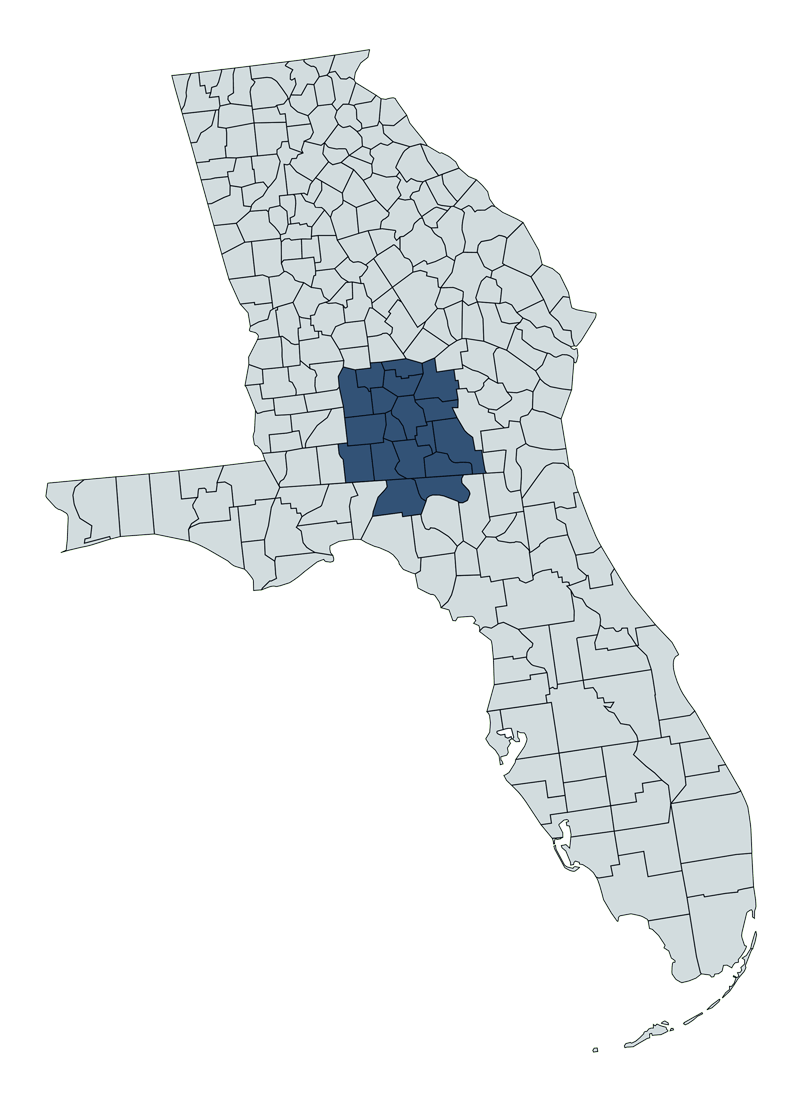
Valdosta, GA, experiences a range of weather throughout the year. While residents enjoy warm summers and mild winters, spring can be particularly unpredictable. Between the sudden showers and the occasional heavy downpour, homeowners in this region need to be prepared for any weather, especially when it comes to protecting their homes from water damage. One of the most important defenses against flooding is a sump pump.
But will your sump pump be ready for the job when the rains come? Will it be able to handle the workload and keep your home dry? In this post, we’ll dive into the role of sump pumps in protecting homes in Valdosta, what can go wrong with them, and why regular maintenance is crucial to ensure your sump pump functions properly when you need it most.
What Is a Sump Pump and Why Does It Matter?
A sump pump is a device installed in the lowest part of a basement or crawl space to prevent flooding. Its main job is to pump out excess water that accumulates in a sump basin, typically located in a corner of your basement or crawl space. Without a functioning sump pump, heavy rainfall or groundwater could seep into your home, causing expensive damage and potential health hazards due to mold or mildew.
Sump pumps are often powered by electricity, but there are battery-powered backup versions for homes where power outages are common during storms. These systems work by automatically turning on when they detect rising water levels. The pump then channels the water away from your home, preventing flooding.
The Importance of a Sump Pump in Valdosta’s Climate
Valdosta is known for its humid subtropical climate. While the winters tend to be relatively mild, the spring and summer months can bring heavy rainfall, thunderstorms, and even the occasional tropical storm. Over the years, this type of weather has caused flooding problems in many homes. According to the Federal Emergency Management Agency (FEMA), flooding is one of the most common natural disasters in the United States, and Georgia is no exception.
For homeowners in Valdosta, having a sump pump in place isn’t just a good idea; it’s essential. A sump pump can prevent water damage to the foundation, floor, and walls of your home, and it can also protect your valuables from being ruined by water. The last thing you want during a heavy storm is to watch water seep into your home.
How Sump Pumps Work to Protect Your Home
Understanding how a sump pump works can give you a deeper appreciation of its importance. Most sump pumps have three key components:
-
The Sump Basin: The basin is a pit that collects water from the surrounding area. When rainwater, groundwater, or excess moisture enters your home, it gathers in the sump basin.
-
The Pump Mechanism: Once the water level in the sump basin rises to a certain point, the pump automatically turns on. Most pumps use a float switch, which rises with the water level and triggers the pump to activate.
-
The Discharge Pipe: The pump moves water out of the sump basin through a discharge pipe that channels the water away from your home’s foundation. The further the discharge pipe sends the water, the better it is for keeping your home dry.
Signs Your Sump Pump Might Be Failing
While sump pumps are designed to run smoothly, they can sometimes experience problems, especially if they haven’t been maintained properly. Here are some common signs that your sump pump might not be working as it should:
-
No Water in the Sump Basin: If the sump pump doesn’t activate during a rainstorm, it could indicate that it’s not functioning properly. Make sure the pump is installed correctly and that no debris is blocking it.
-
Strange Noises: If your sump pump starts making unusual noises, such as grinding or clunking, this could be a sign of internal damage or a mechanical malfunction.
-
Water Is Backing Up: If you notice that water is still pooling in your basement or crawl space even after the pump has been running, it could be a sign that the pump is not working effectively. This could be due to a clogged pipe, pump malfunction, or failure of the float switch.
-
Frequent Cycling: If your sump pump is turning on and off frequently, it may be running inefficiently, or the water level in your sump basin may be too high. Both of these issues should be addressed immediately.
Common Sump Pump Problems and How to Fix Them
While sump pumps are reliable, they can develop problems over time. Here are some of the most common issues and how to address them:
1. Clogged Discharge Line
Over time, debris, dirt, or even small rocks can clog the discharge pipe, preventing water from being moved away from your home. If you notice water backing up in your sump basin, it’s essential to inspect the discharge line for clogs. To fix this, you may need to remove any blockages manually or with a high-pressure water hose.
2. Power Failure
If your sump pump relies on electricity, a power outage during a heavy storm can prevent it from working. One solution to this problem is to install a battery-powered backup sump pump. This type of system will keep your sump pump running even if the power goes out.
3. Worn-out Float Switch
The float switch is the device that signals the pump to turn on when the water level rises. If the float switch becomes stuck or worn out, the sump pump won’t activate. If you notice your sump pump isn’t turning on, check the float switch to ensure it’s functioning properly.
4. Pump Burnout
Sump pumps aren’t invincible, and over time, they can wear out. On average, a sump pump will last around 7 to 10 years, but if it’s subjected to heavy use or improper maintenance, it may fail earlier. If your pump is showing signs of wear, it’s a good idea to replace it before it fails completely.
How to Maintain Your Sump Pump
To ensure that your sump pump is always ready when you need it most, it’s essential to perform regular maintenance. Here’s a quick checklist of what to do:
-
Inspect the Pump Regularly: Check the pump to make sure it’s free of dirt and debris. Remove any materials that could obstruct the pump’s operation.
-
Test the Pump: Pour water into the sump basin to make sure the pump activates when the water level rises. This simple test will ensure that everything is working as it should.
-
Clean the Sump Basin: Over time, dirt and sediment can accumulate in the sump basin, which could affect the pump’s efficiency. Clean the basin to remove any debris that could cause clogs.
-
Check the Discharge Line: Ensure that the discharge line is clear of obstructions and that water is being directed away from your foundation.
-
Replace the Battery (If Applicable): If you have a battery backup sump pump, make sure to replace the battery regularly to ensure that the backup system will work when you need it.
-
Schedule Professional Inspections: To make sure your sump pump is in top condition, schedule annual inspections with a professional plumber. They’ll be able to identify any potential problems before they become serious issues.
Protecting Your Home This Spring
As spring approaches and the rains begin to fall, now is the time to make sure your sump pump is in working order. If you’ve noticed any signs of wear or haven’t had your pump serviced recently, it’s crucial to take action before the stormy weather hits.
A malfunctioning sump pump can lead to costly repairs, including water damage to your home’s foundation, flooring, and belongings. It can also create the perfect environment for mold and mildew to thrive, potentially causing health issues for your family. Don’t wait until it’s too late—ensure that your sump pump is ready to protect your home.
For Plumbing Services in Valdosta, GA, Contact Ray & Son Heating & Air Conditioning Today
At Ray & Son Heating & Air Conditioning, we understand the importance of a functioning sump pump to protect your home from water damage. Our team of experienced professionals is here to help with sump pump installation, repair, and maintenance. We offer comprehensive plumbing services to ensure your home stays dry and safe, no matter what the weather brings.
Don’t let a malfunctioning sump pump catch you off guard this spring. Contact Ray & Son Heating & Air Conditioning today to schedule a service appointment and ensure your home is protected from flooding. We’re here to help you maintain a dry, safe, and healthy living environment. Call us now!