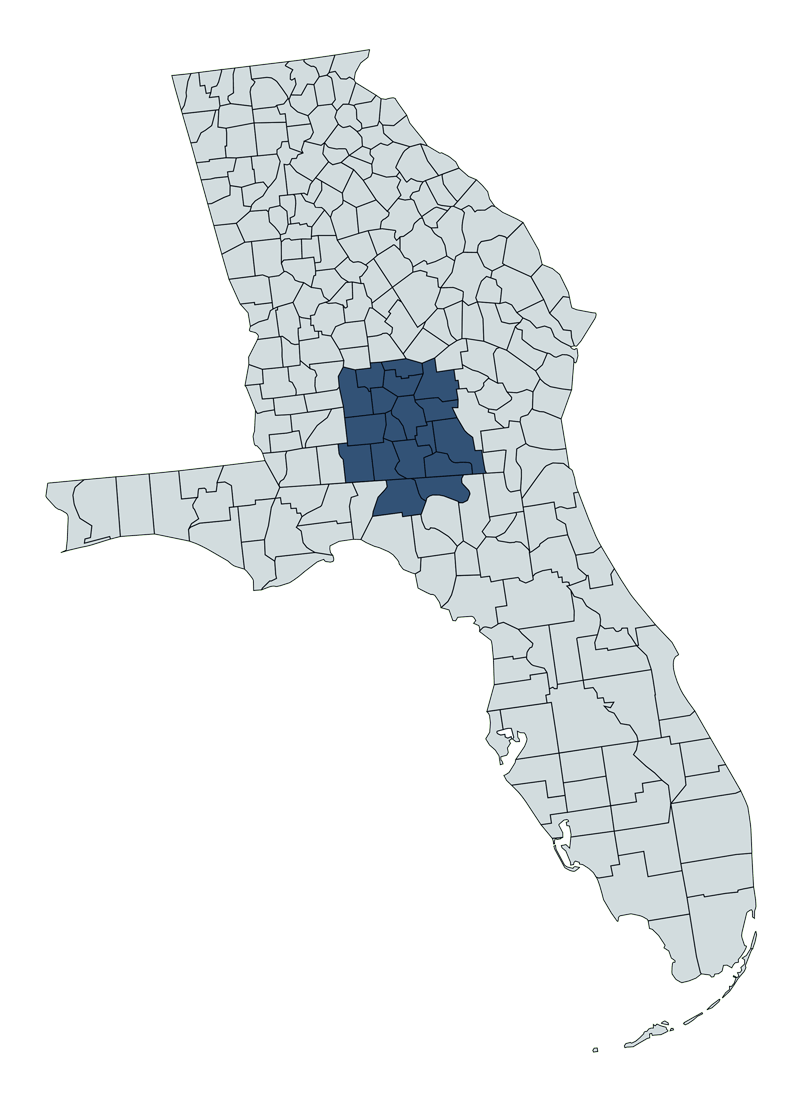
When you think about winter in Valdosta, GA, you might picture brisk mornings, chilly evenings, and the occasional cold snap that surprises locals in an otherwise mild climate. While Valdosta doesn’t see the harsh winters that states further north endure, cooler temperatures can still cause unique challenges for homeowners—especially when it comes to plumbing. Drain lines, in particular, tend to experience specific issues during the winter months that can disrupt your comfort at home.
Even small drain problems can quickly turn into major headaches if left unaddressed. Clogged sinks, slow-draining showers, and even backed-up sewer lines are not only inconvenient but can also put your home at risk for water damage, unpleasant odors, and unsanitary conditions. That’s why it’s important for homeowners in Valdosta to understand the most common drain line issues that arise in the winter and how to prevent or resolve them.
In this blog, we’ll dive into the key drain line problems you’re most likely to face during the colder months, why they happen, and what you can do about them.
Why Drain Line Issues Are a Concern in Winter
Plumbing problems can happen any time of the year, but winter weather puts additional stress on your system. Even in South Georgia, temperatures can dip below freezing at night, and that shift alone can affect how your pipes and drains function. Combine that with holiday gatherings, heavier household usage, and the natural wear-and-tear of plumbing systems, and you’ve got the perfect recipe for winter drain problems.
The U.S. Environmental Protection Agency (EPA) has noted that plumbing systems are among the top home maintenance concerns during colder months, with about 10% of U.S. homes experiencing leaks or drain issues annually. In Valdosta, with its mix of older and newer homes, residents are especially vulnerable to seasonal plumbing issues if proper maintenance isn’t performed.
The Most Common Drain Line Issues in Valdosta During Winter
1. Clogged Kitchen Drains from Holiday Cooking
One of the top causes of winter plumbing trouble comes from the kitchen. With Thanksgiving, Christmas, and New Year’s celebrations, households in Valdosta see an uptick in cooking and entertaining. This also means drains see an increase in grease, oils, and food waste.
When grease cools, it solidifies inside drain pipes, creating a sticky trap for food particles and debris. Over time, this leads to slow drains or complete blockages. The National Association of Plumbing-Heating-Cooling Contractors estimates that kitchen drain clogs rise by as much as 25% during the holiday season.
What to do:
-
Avoid pouring grease or oil down the sink. Instead, let it cool and dispose of it in the trash.
-
Use strainers to catch food scraps before they enter the drain.
-
Run hot water after using the sink to help flush away residue.
2. Bathroom Drain Clogs from Increased Use
Family gatherings in the winter months often mean more people in your home, which puts extra strain on bathroom drains. Showers, sinks, and toilets are used more frequently, which can speed up clogs caused by hair, soap scum, and other buildup.
Valdosta homeowners often experience slow-draining showers in January as the result of heavy use over the holiday season. The American Housing Survey reports that bathroom drain clogs account for nearly 45% of plumbing calls nationwide, making them one of the most common household issues.
What to do:
-
Clean hair catchers regularly.
-
Avoid flushing items like wipes, cotton balls, or hygiene products, which can clog toilets and sewer lines.
-
Use a drain-safe cleaning solution if you notice slow drainage.
3. Tree Root Intrusion in Sewer Lines
Winter is the season when tree roots can become a major issue for underground sewer and drain lines in Valdosta. While trees aren’t actively growing, their roots still seek moisture and nutrients. Drain lines carrying wastewater are a prime target. Small cracks in sewer pipes provide enough entry for roots to infiltrate and grow inside, causing blockages and even pipe damage.
The Water Environment Federation reports that tree root intrusion is one of the leading causes of sewer backups in the U.S., and older clay or cast-iron pipes—common in older Valdosta neighborhoods—are especially vulnerable.
Signs of root intrusion include:
-
Multiple slow drains in your home.
-
Gurgling noises from toilets.
-
Sewage odors in the yard or near drains.
4. Frozen or Partially Frozen Pipes
Although Valdosta doesn’t experience prolonged freezing conditions, occasional nights in the 20s can still cause problems. Pipes in uninsulated areas such as crawl spaces, basements, or outdoor lines are most at risk. Even partial freezing can slow down water flow, leading to drainage issues.
The Insurance Institute for Business & Home Safety reports that frozen pipes are one of the top causes of property damage during winter, costing homeowners an average of $5,000 in repairs. While full pipe bursts are rare in South Georgia, frozen or partially frozen lines can still disrupt your drainage system.
What to do:
-
Insulate exposed pipes in crawl spaces or exterior walls.
-
Let faucets drip slightly during freezing nights to keep water moving.
-
Open cabinet doors to allow warm air to reach pipes under sinks.
5. Sewer Line Backups
Cold weather and heavy holiday usage can both increase the risk of sewer line backups in Valdosta homes. Sewer lines can become overwhelmed if there’s an existing blockage, or if tree roots, grease, and debris are present. Backups are not only inconvenient but also hazardous to your family’s health.
According to the Centers for Disease Control and Prevention (CDC), sewer backups pose risks of exposure to bacteria, viruses, and mold growth. Winter tends to be a peak time for these issues since homes are often using more water with visiting guests.
Warning signs of a sewer line backup include:
-
Water backing up in sinks or tubs when you flush the toilet.
-
A foul smell coming from drains.
-
Multiple drains clogging at once.
6. Slow-Draining Outdoor Drains
Valdosta winters often bring rain, and outdoor drains can struggle with excess water if they’re clogged by leaves, mud, or debris. When outdoor drains back up, it can lead to standing water around your foundation, which can seep into crawl spaces or basements.
The Federal Emergency Management Agency (FEMA) highlights drainage as one of the key factors in preventing water damage to homes. Proper maintenance of outdoor drains is especially important in South Georgia, where winter rainfall is frequent.
What to do:
-
Regularly clear outdoor drains of leaves and debris.
-
Check gutters and downspouts for blockages that could worsen drainage issues.
-
Ensure the grading around your home directs water away from the foundation.
7. Garbage Disposal Clogs
Holiday cooking doesn’t just affect kitchen sinks—it also takes a toll on garbage disposals. Fibrous foods like celery, potato peels, or corn husks, as well as starchy items like pasta and rice, can cause disposals to jam. If overused, disposals can send unprocessed waste into the drain line, resulting in clogs.
The Plumbing-Heating-Cooling Contractors Association estimates that garbage disposal-related service calls increase by up to 50% between Thanksgiving and New Year’s Day.
Tips to prevent clogs:
-
Avoid putting fibrous or starchy foods in the disposal.
-
Always run cold water while the disposal is in use.
-
Break down waste into smaller amounts rather than overloading the system.
8. Hidden Leaks That Lead to Drain Problems
Even small leaks in your plumbing system can cause drain issues during winter. When pipes contract in colder weather, minor leaks can worsen, leading to water pooling and pressure imbalances. Over time, these leaks contribute to slow drainage, pipe damage, and even mold growth.
The EPA reports that household leaks waste nearly 1 trillion gallons of water annually in the U.S.—and many of these leaks occur in pipes connected to drains.
What to do:
-
Look for signs of water damage, such as damp spots, mold, or mildew near drains.
-
Have a plumber inspect hidden areas like crawl spaces or behind walls.
-
Schedule routine maintenance to catch leaks early.
Preventing Drain Line Issues in Valdosta Homes
While many winter drain problems sound intimidating, the good news is that most can be prevented with regular care and maintenance. Here are some proactive steps you can take:
-
Schedule professional drain cleaning: Annual drain cleaning removes buildup before it becomes a problem.
-
Practice good habits: Avoid putting grease, food waste, and non-flushable items down drains.
-
Inspect pipes before winter: A quick inspection of exposed pipes can reveal vulnerabilities.
-
Install strainers and guards: Simple devices can prevent debris from entering your drains.
-
Know the warning signs: Early detection of slow drains, odors, or unusual noises can prevent emergencies.
For Drain Line Services in Valdosta, GA, Contact Ray & Son Heating & Air Conditioning Today
Winter in Valdosta doesn’t have to mean plumbing headaches. By understanding the most common drain line issues and taking preventive steps, you can keep your home running smoothly throughout the season. However, some problems require more than a DIY fix. That’s where the experts come in.
Ray & Son Heating & Air Conditioning has been proudly serving Valdosta and surrounding communities for years with trusted plumbing, HVAC, and home comfort services. Our skilled team has the experience and equipment to tackle even the toughest drain line problems, from stubborn clogs to sewer line repairs.
If you’ve noticed slow drains, unusual odors, or other signs of plumbing trouble this winter, don’t wait for the issue to worsen. Contact Ray & Son Heating & Air Conditioning today for professional drain line services you can count on. Our team is here to keep your home safe, comfortable, and worry-free all season long.