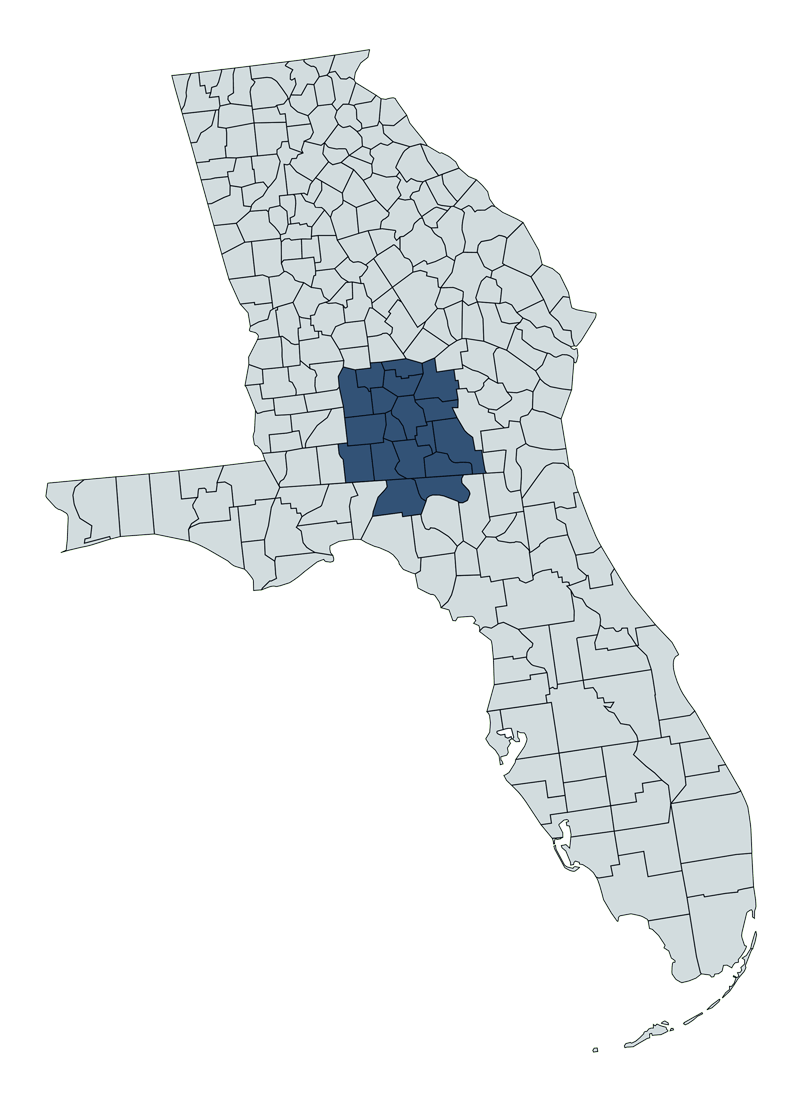
Did you know that in a single year, 3.2 million people worldwide died from household air pollution? Neglecting your Tifton, GA home’s indoor air quality could put your health at risk.
In fact, household air pollution exposure can lead to non-communicable diseases. These include heart disease, lung cancer, and stroke.
Before that happens, reduce your home’s indoor air pollution. Read on for air purification methods to create a healthy home environment!
Replace Your Air Filter
Most air filter products recommend changing them every month. This will help improve your home’s air quality and unit’s energy efficiency.
Otherwise, pollutants, dust, and allergens will clog the filter. Your HVAC unit will struggle to push clear air through. This will cause it to work overtime, increasing the energy usage.
However, some households only need to change the filter every 90 days. This depends on:
- The type of filter
- Your household’s size and activity
- If you have pets
- Allergies or asthma
- The neighborhood’s outdoor air quality
- Your HVAC usage
Consider using a HEPA air filter. These filters trap more particles. However, you will need to change these high-efficiency filters more frequently.
Change your filter more often if you have multiple family members and pets. More allergens and debris may circulate throughout your home. You may need to change the filter monthly.
Does anyone in your household suffer from asthma or allergies? Change the filter more often to maintain a healthy home environment.
You should also change the filter during peak usage periods. This includes the height of summer or colder winter months. During this time, your HVAC system will work harder, causing the filter to clog faster.
Signs that indicate you need to change your filter include higher energy bills and increased allergy symptoms. Change it if you notice dirt or dust clogged in the filter.
Deep Clean Your Home
You can reduce indoor pollution in your home with regular cleaning. Otherwise, mold, dust, and pet dander will circulate throughout your home.
Vacuum your carpets each week using a HEPA-rated filter. Wipe down surfaces using a damp cloth to capture particles. Don’t forget to sweep and mop the floors.
Wash your bedding once a week using hot water. This will kill any allergy-trigger dust mites.
Improve your home’s air quality by applying the CDC’s home ventilation tips:
- Open windows while cleaning
- Replace your air filter
- Crack a window 10 minutes a day
- Run your exhaust fans
- Use a HEPA-filtered vacuum
- Use an activated carbon air filter
- Set the HEPA fan to “on” instead of “auto”
- Use pleated filters
- Schedule routine HVAC inspections
- Use a portable air cleaner
Cleanse the air in your home naturally using indoor plants. Some houseplants can reduce volatile organic compounds (VOCs). VOCs can cause headaches, nausea, and irritation.
Plants that are effective at improving indoor air quality include Dracaena, Spathiphyllum (peace lily), and Hedera helix (common ivy).
Reduce Air Pollution
According to the Environmental Protection Agency, indoor air pollutant levels can be up to 100 times higher than outdoor levels. They’re ranked among the top five public environmental risks.
These pollutants could cause:
- Asthma
- Allergic reactions
- Respiratory problems
- Heart disease
- Cancer
- Pneumonia
- Low birth weights
You can improve your home’s air quality by recognizing sources of common pollutants.
For example, radon is a natural radioactive gas. You can test for unsafe levels of radon using a home test kit. Reduce radon levels by sealing your home’s foundation.
Second- and third-hand smoke can pollute your living space. Avoid smoking indoors or quit altogether.
Common household items can emit formaldehyde. It’s commonly found in glue. Choose used furniture instead of new products or solid wood over composite wood furnishings.
Your cleaning products can produce harmful chemicals. Choose nontoxic cleaning products, including sprays and air fresheners.
Use an air purifier to keep the air clean. HEPA filters can remove over 99% of harmful particles. They can reduce mold spores, VOCs, allergens like ragweed, and excess carbon dioxide.
Maintain Optimal Humidity Levels
A damp indoor space can lead to mold growth. High humidity levels can cause VOCs to leach into the air. Your home may feel damp due to:
- Leaky roofs or pipes
- Humid climates
- Low ventilation in the bathroom
- Areas of pooling water
Living in a damp environment can cause coughing, asthma attacks, and other respiratory symptoms. To reduce the dampness in your home, purchase a dehumidifier. Turn the exhaust fan on when cooking or in the shower.
If you’re struggling to maintain optimal humidity levels in your home, call an HVAC professional. Your HVAC system should improve the humidity levels through condensation.
The system’s vents and registers can remove humid air from your home. The air will pass over the evaporator coil. This component contains refrigerant, which absorbs heat.
If your HVAC system isn’t working properly, you may notice excess humidity in the area. A technician can assess your unit and recommend methods to improve your humidity levels.
Schedule Routine Maintenance
Schedule routine preventative maintenance with your local HVAC company. Routine maintenance can extend the lifespan of your system. Otherwise, the unit may struggle to circulate clean air throughout your home.
An HVAC contractor can recognize which components have experienced wear and tear. You can pay for small repairs instead of replacing the unit.
Choose a company that offers indoor air quality testing services. They can make customized recommendations based on the results.
For example, they can help you manage any sources of pollution found during testing. Some professionals also specialize in mold prevention and removal.
Improve Your Indoor Air Quality in Tifton, GA
Poor indoor air quality could compromise your family’s health. Before that happens, contact an HVAC contractor in Tifton, GA. With their help, you can clear the air and maintain a healthy home environment.
Our team at Ray & Son Heating & Air Conditioning boasts over 59 years of experience. You can trust our qualified, dependable staff as your premier HVAC contractor. Our technicians are fully licensed, bonded, NATE-certified, and BPI-certified.
Let us put our extensive experience, expertise, and resources to work for you. Contact us now for a free indoor air quality testing estimate.